Introduction
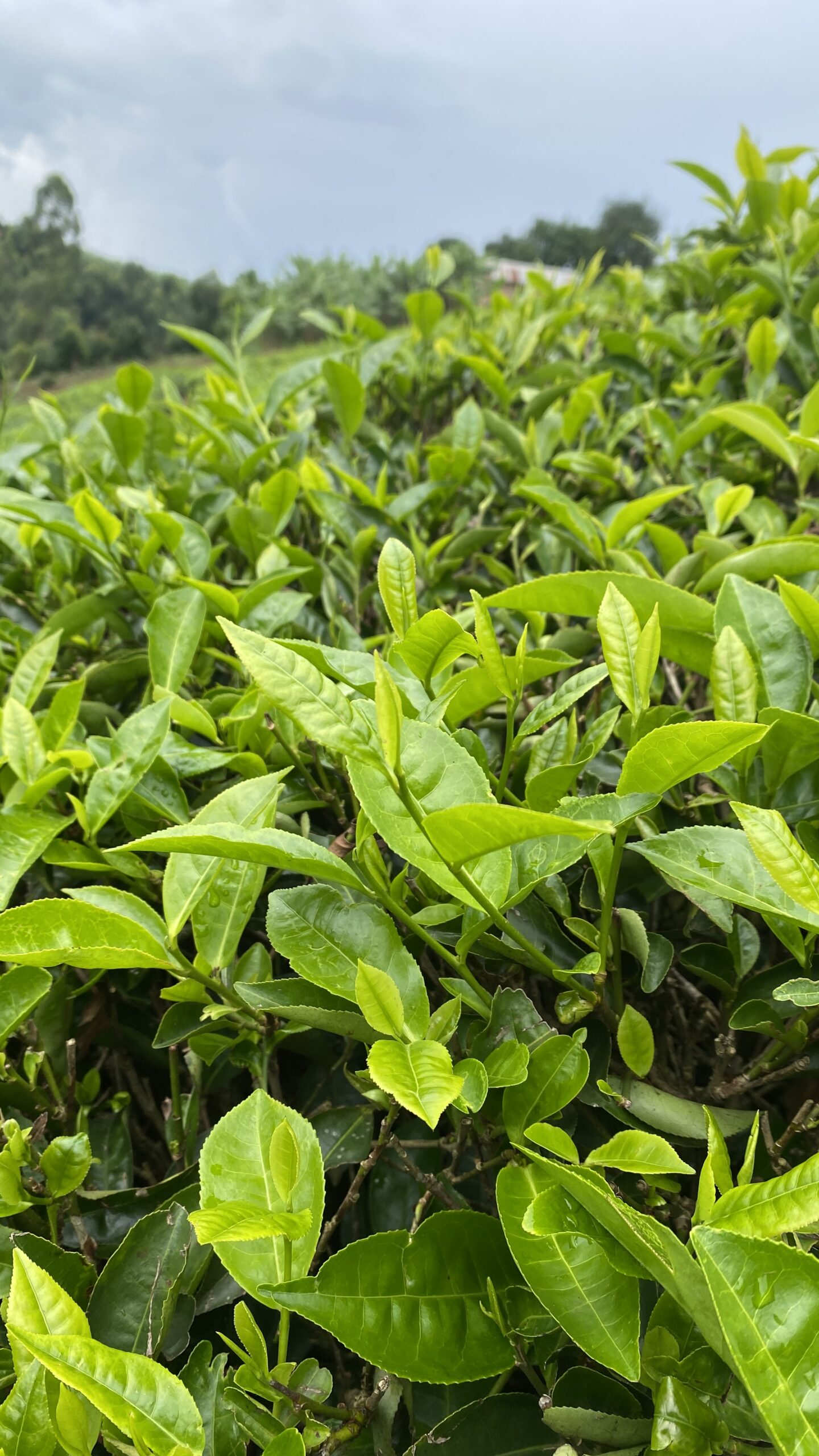
L-theanine is an amino acid found almost exclusively in tea leaves. It has gained a cult following among biohackers for promoting relaxation without sedation — a rare trait that makes it useful both during the day and at night.
How It Works
L-theanine crosses the blood-brain barrier and increases levels of GABA, serotonin, and dopamine. It also promotes alpha brain waves — the same electrical pattern seen during meditation and light daydreaming. The result is a calm, alert state rather than drowsiness.
The Evidence
Nobre et al. (2011) found that 200 mg of L-theanine reduced heart-rate response to acute stress tasks. When paired with magnesium, studies show improved sleep latency and quality — especially in people whose insomnia is stress-driven rather than melatonin-deficient.
Dosage & Safety
For sleep: 100–200 mg 30–60 minutes before bed. For daytime calm: 50–100 mg. Extremely safe; the only notable interaction is a mild blood-pressure-lowering effect, which matters if you are already on antihypertensives.
Verdict
An A- for stress and a B+ for standalone sleep support. Best stacked with magnesium glycinate for maximum effect.
As an Amazon Associate we earn from qualifying purchases. Prices and availability subject to change.