Introduction
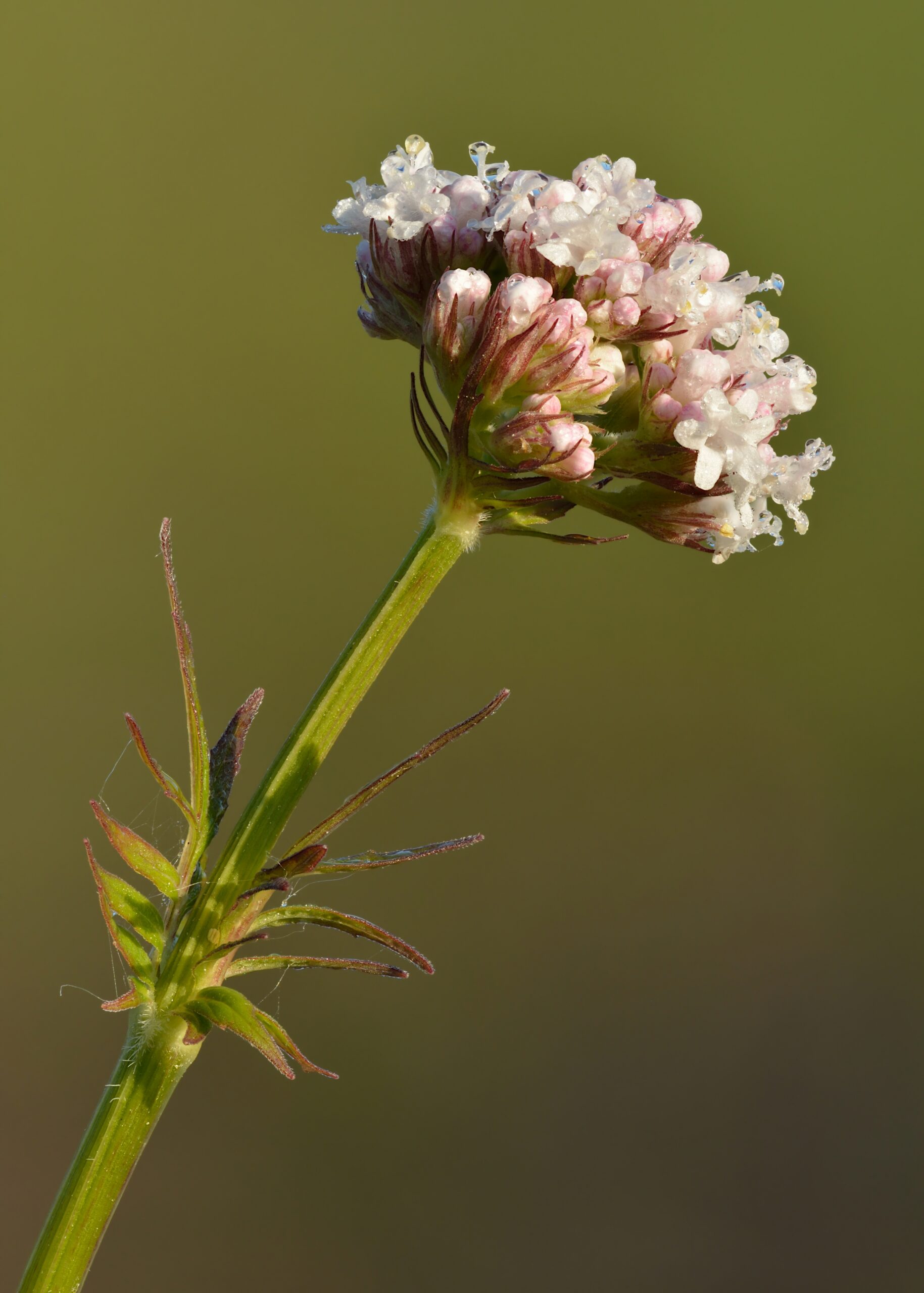
Valerian root (Valeriana officinalis) has been used as a sedative since ancient Rome. It remains one of the top-selling herbal sleep aids, yet clinical results are mixed — effective for some, barely noticeable for others.
How It Works
Valerenic acid and iridoid compounds increase GABA availability in the brain by inhibiting its enzymatic breakdown. In other words, valerian makes your own calming neurotransmitter stick around longer — a mechanism similar to benzodiazepines but far gentler.
The Evidence
A 2020 systematic review by Shinjyo et al. concluded that valerian produces a moderate effect on subjective sleep quality, comparable to low-dose melatonin. However, it showed minimal benefit for acute anxiety and highly variable individual response — likely due to genetic differences in GABA metabolism.
Dosage & Safety
300–600 mg of standardized extract (0.3–0.8% valerenic acid), taken 30–60 minutes before bed. Side effects are mild: morning grogginess and occasional headache. Do not combine with alcohol, benzodiazepines, or other sedatives.
Verdict
A B — modestly effective and generally safe, but not a heavy-hitter for severe insomnia. Best used in combination with magnesium, L-theanine, or melatonin rather than as a standalone solution.
As an Amazon Associate we earn from qualifying purchases. Prices and availability subject to change.