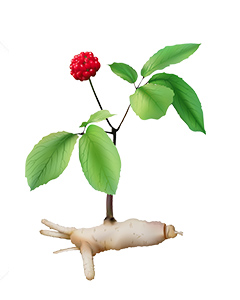
Introduction
Panax ginseng has been a cornerstone of Traditional Chinese Medicine for over 2,000 years. Today it sits on shelves next to synthetic nootropics, promising sharper focus and steadier energy without the crash of caffeine. But what does modern science actually say?
How It Works
The active compounds, called ginsenosides, modulate cortisol secretion and improve cerebral blood flow. Unlike stimulants that force alertness, ginseng appears to support the brain’s natural stress-resistance systems — an adaptogenic effect that builds over weeks.
The Evidence
A 2005 study by Reay et al. found that 400mg of Panax ginseng improved working memory and subjective calmness in healthy young adults. A broader meta-analysis in 2011 confirmed cognitive benefits in areas of memory, mood, and behavior, though effect sizes were modest.
Critically, quality varies wildly. Standardized extracts labeled for 4–7% ginsenosides (not just raw root powder) are the only forms with consistent clinical backing.
Dosage & Safety
200–400 mg of standardized extract daily, taken in the morning. Ginseng can cause insomnia if taken late. It also interacts with anticoagulants and blood-sugar-lowering medications.
Verdict
Panax ginseng earns a B+. It is a solid, evidence-backed support for focus and fatigue resistance, but it is not a limitless pill. Choose a reputable standardized extract or skip it.
As an Amazon Associate we earn from qualifying purchases. Prices and availability subject to change.